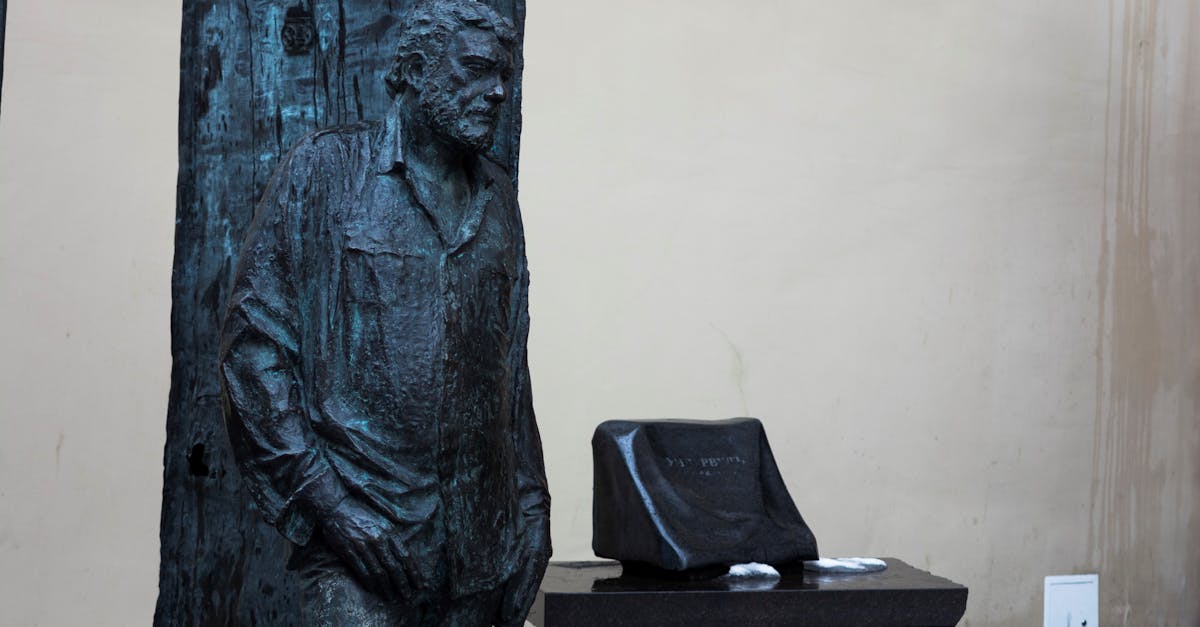
In an era increasingly obsessed with athleticism, vertical leap, and speed, Dejan Bodiroga became one of European basketball’s most dominant figures by relying on something far more subtle: intelligence. Standing tall but never explosive, Bodiroga built a legendary career through footwork, timing, and an almost surgical understanding of space. His game was proof that basketball, at its highest level, is often decided by the mind before the body.
Bodiroga emerged in the 1990s, a transitional period for European basketball. The sport was becoming more physical and increasingly influenced by the NBA, yet still deeply rooted in tactical discipline. From his early years in Yugoslavia to his prime seasons across Europe, Bodiroga quickly stood out not for dazzling speed, but for how effortlessly he seemed to control the rhythm of games. He played as if everything unfolded half a second slower for him than for everyone else.
What truly defined Bodiroga was his footwork. In the post, he was nearly impossible to rush. His pivots were economical, his balance perfect, and his ability to shift defenders with small shoulder fakes bordered on artistry. Unlike power forwards who relied on strength or guards who attacked with pace, Bodiroga used angles. He forced defenders into uncomfortable positions, then punished even the smallest mistake. This mastery allowed him to score consistently against quicker players and stronger ones alike.
Equally important was his basketball IQ. Bodiroga was never a scorer in the selfish sense. He read defensive rotations instinctively, understood when to slow the game down, and knew exactly when a possession required patience rather than urgency. This made him a natural leader, especially in high-pressure moments. Coaches trusted him because he rarely made the wrong decision, and teammates trusted him because he elevated everyone around him.
His club career is a roadmap of European excellence. At clubs like Panathinaikos, FC Barcelona, and Virtus Bologna, Bodiroga was often the central piece of championship-winning teams. He wasn’t just part of great squads; he was the organizing intelligence behind them. His performances in the EuroLeague Final Fours became almost routine demonstrations of composure under pressure.
One easily forgotten aspect of Bodiroga’s greatness is how positionless his game was before the term became fashionable. Though often listed as a forward, he functioned as a playmaker, scorer, and post threat simultaneously. He could initiate offense, punish mismatches inside, or take the final shot without ever changing his calm demeanor. This versatility made him especially valuable in European systems built around ball movement and collective execution.
On the international stage, Bodiroga was equally influential. Representing Yugoslavia and later Serbia and Montenegro, he was a cornerstone of national teams that dominated European and world competitions. His leadership wasn’t vocal or emotional; it was intellectual. Younger players learned by watching how he navigated defenses and managed moments of tension, often defusing chaos simply by making the correct play.
In today’s basketball landscape, where highlights often overshadow nuance, Bodiroga’s legacy feels even more important. He reminds fans and players alike that athletic limitations can be overcome through understanding, preparation, and skill refinement. His career is a lesson in efficiency over flash, in thinking over reacting.
Dejan Bodiroga didn’t rule European basketball by overpowering opponents or outrunning them. He ruled it by outthinking them. His intelligence and footwork turned the court into a chessboard, and for more than a decade, he was always several moves ahead.