Cheryl Miller’s name is etched deeply into the history of basketball, not just as one of the greatest collegiate players of all time, but as a figure whose impact rippled far beyond the NCAA courts where she dominated in the early 1980s. While many remember her for her remarkable statistics and championship aspirations at USC, what often goes underappreciated is how Miller’s influence helped shape women’s basketball on a global scale, inspire generations of players around the world, and contribute to the evolution of the game in arenas far beyond the United States.
Miller’s journey began in Riverside, California, but it was her tenure at the University of Southern California that made her a household name. She was a transcendent talent: a three-time NCAA All-American, two-time Naismith Player of the Year, and a dynamic athlete whose scoring, rebounding, and defensive prowess made her nearly unstoppable. Yet her reach extended far beyond those accolades. At a time when women’s basketball was fighting for broader recognition and respect, Miller became an emblem of excellence, pushing the boundaries of what was expected and possible for female athletes. Her style of play—competitive, powerful, and graceful—captured the imagination of fans and young players alike, helping fuel interest in women’s sports domestically and abroad.
After her collegiate career, global opportunities for women players were limited compared to men’s professional basketball. Nevertheless, Miller found ways to carry her influence internationally. She played professionally in Europe, where she competed in Italy and France, bringing her elite talent to countries eager for high-level competition. During those years overseas, she not only excelled personally but served as a bridge between American basketball excellence and burgeoning international leagues. Fans across Europe and beyond were introduced to a level of play that helped elevate the game’s profile and inspired local athletes to pursue basketball at higher levels. It’s a testament to her legacy that today, international women’s basketball continues to thrive with strong domestic leagues and heavy participation in global competitions.
Miller’s global influence also took shape through coaching and mentorship. After her professional playing days, she returned to the United States and dedicated herself to developing the next generation of talent. As the head coach at her alma mater, USC, she guided young athletes, instilling not just technical skills but also the mental toughness and competitive spirit that defined her own game. But her lessons didn’t stay confined to American college campuses. Through clinics, speaking engagements, and international camps, Miller shared her knowledge and passion with aspiring players worldwide. In doing so, she helped nurture a more connected and dynamic international women’s basketball community.
Beyond the court and coaching bench, Miller became a voice in sports media, bringing visibility to women’s athletics at a time when coverage was sparse. As a broadcaster and commentator, her insights reached audiences across the United States and abroad, raising awareness of women’s sports achievements and advocating for equity and recognition. Her articulate and passionate presence helped shift perceptions and carve space for future media coverage of women’s basketball. Today’s growing fanbase for events like the FIBA Women’s World Cup and Olympic women’s basketball can trace part of its popularity to pioneers like Miller, who championed the sport long before it garnered mainstream attention.
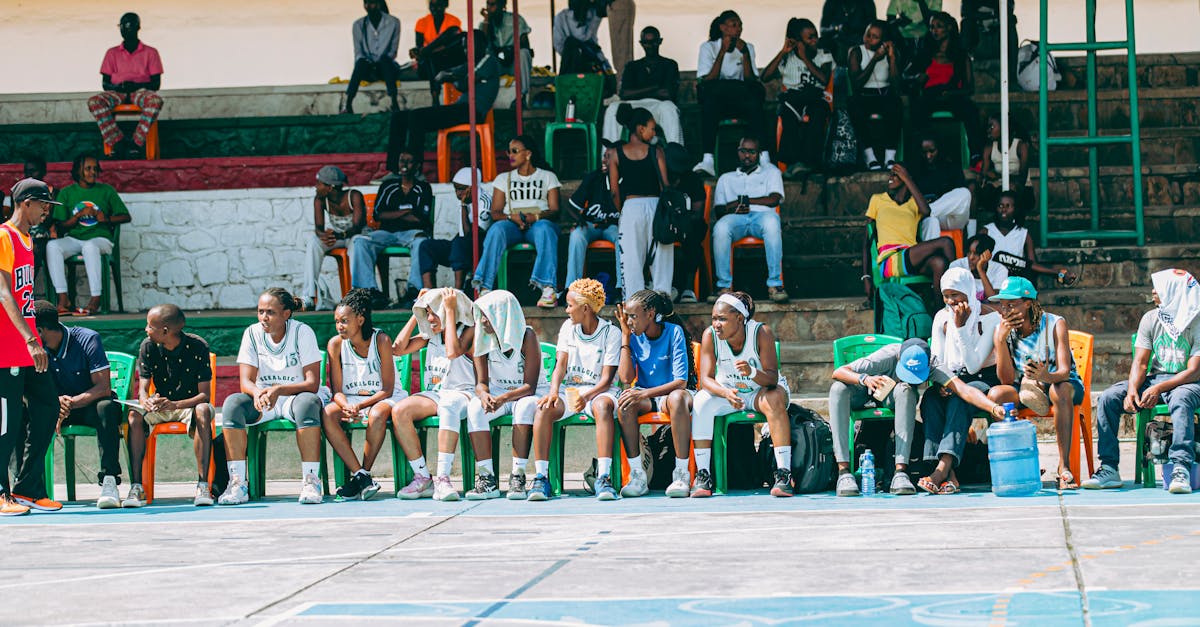
Perhaps Miller’s most enduring legacy is the inspiration she provided to athletes around the world. Players from Japan to Australia, Europe to South America, have cited her as a role model—someone who proved that women could play with intensity, skill, and strategic brilliance. Her influence can be seen in the way international stars approach the game: with confidence, agility, and an unwavering commitment to excellence. The global women’s basketball landscape, now rich with professional opportunities and international tournaments, stands on the shoulders of early trailblazers like Cheryl Miller.
In reflecting on Miller’s legacy, it’s vital to remember that her impact wasn’t confined to the statistics she posted or the games she won. It was in the way she carried herself, challenged expectations, and opened doors for others. Her career helped fuel a worldwide appreciation for women’s basketball and demonstrated the power of sport to transcend borders, cultures, and limitations. Today, as women’s basketball continues to flourish internationally, Cheryl Miller’s influence remains central—a symbol of courage, skill, and enduring inspiration for athletes everywhere.