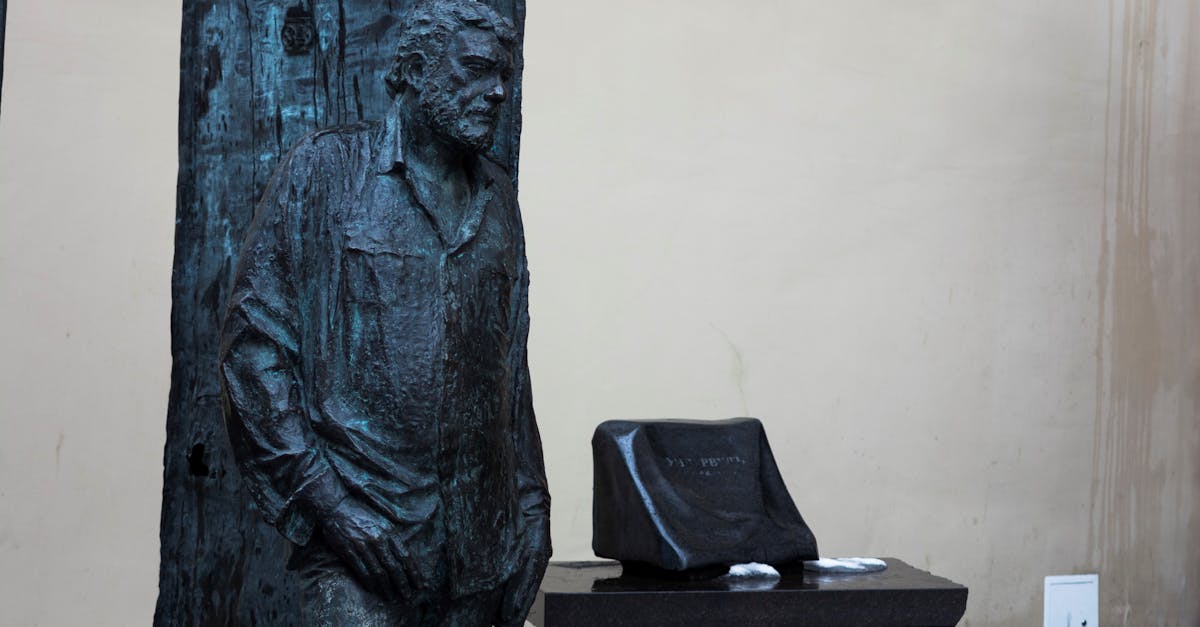
When basketball historians talk about the greatest players never truly witnessed at their peak by American fans, the name Arvydas Sabonis inevitably comes up. Standing over seven feet tall with rare coordination, vision, and shooting touch, Sabonis was a revolutionary center long before the modern “skilled big man” became fashionable. His career is a story of overwhelming dominance, cruel timing, and physical sacrifice, leaving behind a lingering question: how great could he have been in the NBA if circumstances had been different?
Sabonis emerged in the 1980s as a once-in-a-generation talent in Europe. Unlike many traditional centers of his era, he could run the floor, handle the ball, and pass with guard-like creativity. He saw the game several moves ahead, threading no-look passes and orchestrating offense from the high post in ways that were almost unheard of for someone his size. Add to that a reliable outside shot and elite rebounding instincts, and it became clear that Sabonis was not just dominating European competition — he was redefining the role of the center altogether.
His performances with the Soviet Union national team cemented his legend. Against elite American players in international tournaments, Sabonis often looked like the best player on the court. He battled future NBA Hall of Famers physically and mentally, using strength, positioning, and intelligence rather than raw athleticism alone. Many scouts believed that if he had entered the NBA in his early twenties, he could have rivaled the league’s best big men immediately.
However, politics and injuries changed everything. During his prime years, Sabonis was unable to leave Europe due to Cold War restrictions, forcing him to play an exhausting schedule for club and country. Even more damaging was how his injuries were handled. Severe Achilles and knee issues were often rushed through recovery, with long-term health sacrificed for short-term success. By the time the NBA finally saw him, much of his athletic prime was already gone.
When Sabonis eventually joined the Portland Trail Blazers in the mid-1990s, fans got only a glimpse of what he once was. He was slower, heavier, and visibly limited, yet still remarkably effective. Even with damaged knees and reduced mobility, his basketball IQ allowed him to dominate stretches of games. He stretched defenses with his shooting, punished opponents with physical post play, and delivered passes that left defenders frozen. Younger, healthier players often struggled to contain him because his game relied more on timing and awareness than speed.
This late-career version of Sabonis became a cult figure in the NBA. Teammates and opponents alike spoke of how difficult he was to guard and how unique his skill set remained. Advanced metrics from his Portland years suggest that, on a per-minute basis, he was among the most impactful centers in the league — an astonishing fact considering his physical condition. In many ways, he was a preview of the modern big men who would later thrive by combining size with playmaking and shooting.
Beyond the NBA, Sabonis’s influence on European basketball cannot be overstated. He became a symbol of Lithuania’s basketball identity, helping elevate a small nation into a global powerhouse. His style inspired generations of European centers to develop skills beyond the paint, accelerating the globalization of basketball long before it became the norm.
Arvydas Sabonis’s career remains one of basketball’s great “what if” stories. The NBA never fully saw his peak, but the fragments that did appear were enough to prove his greatness. He was dominant, innovative, and ahead of his time — a reminder that sometimes legacy is defined not only by what audiences witness, but by what history narrowly misses.