When people think about career revivals in basketball, they usually imagine veterans accepting smaller roles in the NBA or heading to Europe for a late-career renaissance. Far fewer remember the impact that Puerto Rico’s domestic league had on several American stars, and among them, the story of Clifford Robinson stands out as one of the most quietly influential. His time on the island did not just keep his career alive—it reshaped how he was perceived as a professional.
By the early 2000s, Robinson had already lived multiple basketball lives. He was a key figure with the Portland Trail Blazers, a Sixth Man of the Year, an All-Star, and one of the earliest big men to stretch the floor consistently with three-point shooting. Yet as injuries accumulated and roles diminished, Robinson found himself at a crossroads familiar to many NBA veterans: still skilled, still competitive, but no longer central to an NBA rotation.
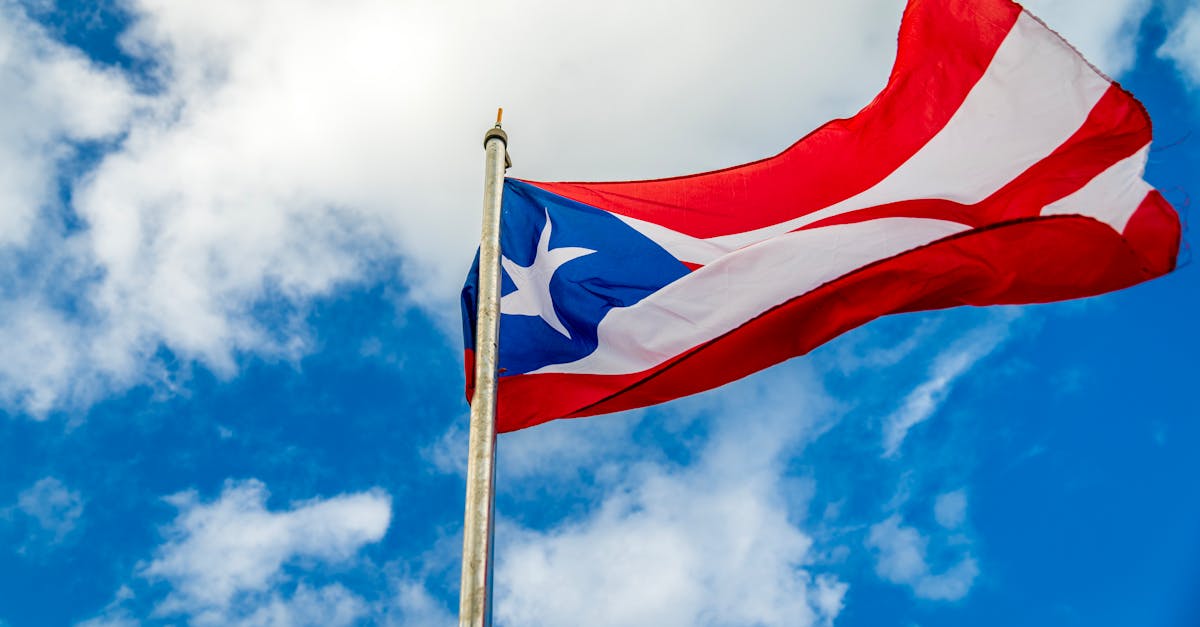
That moment is where Puerto Rico entered the picture. The island’s top competition, Baloncesto Superior Nacional, has long been more intense and physical than many outsiders expect. Games are played in loud, compact arenas, seasons are short but demanding, and imports are expected to lead immediately. For Robinson, joining the Piratas de Quebradillas was not a symbolic farewell tour. It was real basketball, with real pressure.
What made the experience so important was how much responsibility Robinson carried. In the NBA, he had gradually become a complementary piece. In Puerto Rico, he was the reference point. He scored, defended, passed, and, perhaps most importantly, demonstrated leadership. Younger local players were suddenly practicing and competing daily with someone who understood spacing, preparation, and professionalism at the highest level. At the same time, Robinson rediscovered the rhythm that only consistent minutes can provide.
An often overlooked aspect of his Puerto Rican stint is how well his playing style translated. Robinson was not a traditional post bruiser. His mobility, shooting range, and defensive versatility fit perfectly into the faster, more fluid style of BSN play. The league rewarded intelligence and adaptability, two traits that had defined Robinson throughout his NBA career. Rather than looking like a fading star, he looked renewed.
This revival had tangible consequences. The confidence and conditioning Robinson regained in Puerto Rico helped him extend his professional relevance. He returned to the NBA with renewed credibility, eventually carving out meaningful roles with teams like Golden State and New Jersey. While his box scores never matched his Portland peak, his value as a stretch forward and locker-room presence was clearer than ever.
Another easily forgotten element is the broader significance of his choice. At the time, Puerto Rico was not commonly viewed as a destination for NBA veterans seeking competitive redemption. Robinson’s success subtly challenged that perception. He showed that high-level basketball existed outside the traditional spotlight and that these leagues could actively contribute to an NBA player’s longevity rather than merely marking its end.
In retrospect, Robinson’s time in Puerto Rico represents something larger than a late-career footnote. It highlights how professional basketball ecosystems intersect across borders, and how a player’s story does not have to follow a straight line. Sometimes, stepping away from the biggest stage is exactly what allows an athlete to return stronger.
For Clifford Robinson, Puerto Rico was not an epilogue. It was a reset—one that reminded fans, scouts, and Robinson himself that his game still mattered.